
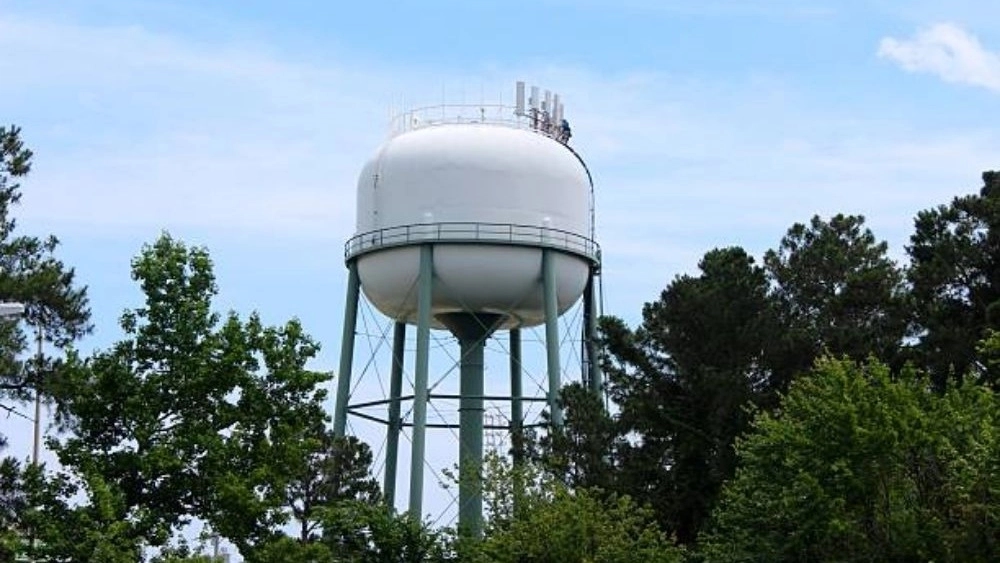
What is the air tanker?
Aerial water reservoirs are, in fact, a stored source of water that are placed at a height. These tanks are used to compensate for water pressure drop in tall buildings. The reason for placing air water tanks at a high altitude is the possibility of providing the required water pressure. The higher the altitude, the higher the water pressure.
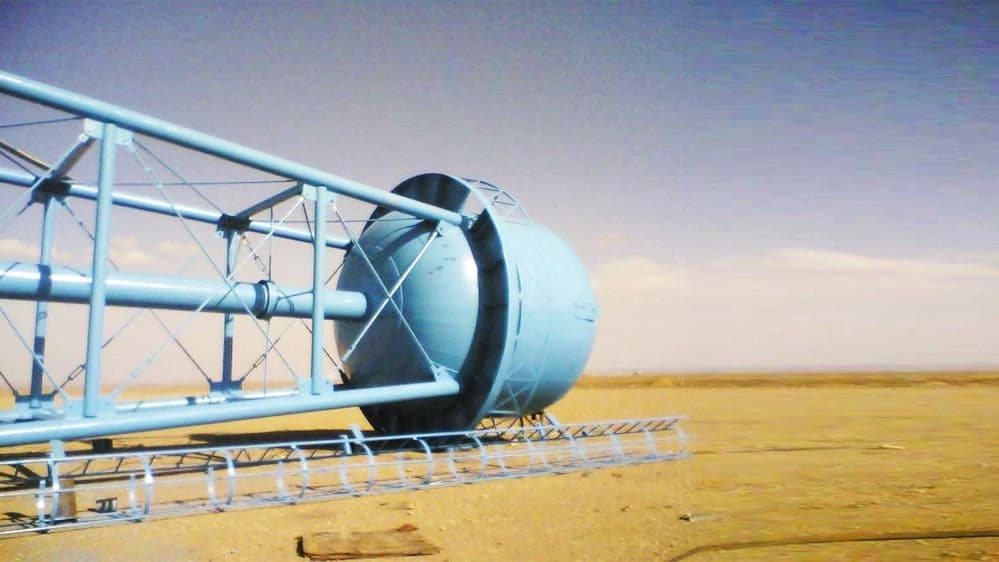
Aerial water tank, which is also known as a water storage tower, is a device that is used to store water at a height. These tanks are placed at heights to provide the required water pressure. Air water tanks usually consist of two main parts, which are: the body and the base. The body of this tank is made of plastic, metal, wood, etc. It can be said that this water tank has the same use as the polyethylene water tank. With the increase in population and the need for more water supply in cities and towns, water sources with different shapes and types entered the market. Each of them has different uses according to their characteristics. The air tank or in other words the air water tanker is one of the most used tanks that are used in many cities.
Air tank performance
Aerial water reservoir is one of the most used reservoirs for supplying water to a large number of people in the society. The aerial water reservoir is actually a high and large water source. Some of them are more than 50 meters from the ground. The reason for this distance is the supply of water pressure. Each foot of height can produce 0.43 psl (pounds per square meter) of pressure. The urban water source is around 20 to 30 psl. These tanks are placed at different heights from the ground and according to the pressure created in the tank, the water spreads to a large number of nearby houses. Therefore, an air tanker can supply water to a large number of users. Air tankers enter the market in different dimensions, which can be identified by calculating the amount of water needed in an area. The air water tank needs other equipment such as columns, wind braces, ladders, footrests, ventilators, pipes, etc. for installation. All these equipments beside the tank help its proper functioning.
Types of forms of air tanks
Aerial water tanks are also different in terms of size and shape. Some of them are made in the form of cubes and others in the form of cylinders, spheres or hemispheres. Air water tanks that are made in a cylindrical shape have better efficiency and lower maintenance costs; For this reason, they are sold at a higher price. The design of an air tank requires careful consideration of various factors, including the place of operation, tank capacity, type of material and structure design.
Operation
Location is an important factor in the design of an air tank. The location of the tank must be on high ground to provide sufficient water pressure to the distribution system. It should also be available for maintenance and inspection.
Air tank capacity
The capacity of the air tank depends on the water demand in the community or the required industry in which the air tank will be used. The tank must have sufficient capacity to meet peak demand and the possibility of storage during periods of low demand.
Materials used in the construction of air tank
The choice of materials for an elevated tank depends on a variety of factors, including local weather conditions, cost, and expected lifespan. Steel is a popular choice for air tanks due to its strength, durability and versatility. Concrete is also usually used due to its durability, but the cost of sealing these tanks is very high. Composite materials such as fiberglass are becoming increasingly popular due to their light weight, corrosion resistance, and ease of installation, but the cost of raw materials is extremely high and they are highly destructible against heat and sunlight.
The design of the air tank structural
The structural design of an air tank is very important to ensure its stability, safety and durability. The tank should be designed to withstand wind, earthquakes and other external forces. Also, the foundation of the tank should be designed to distribute the weight of the tank evenly on the ground to prevent it from settling and tilting.
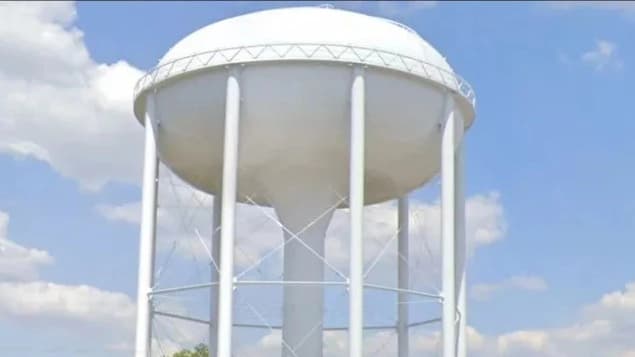
A variety of air tanks in terms of sex
Although these towers are produced in different sizes and shapes, they all have the same function Metal air tanks: two types, open and closed, are produced and used. If the tank is for storing water for sanitary purposes, it should be open so that there is no possibility of contamination and growth of bacteria. In agricultural and fire fighting purposes, there is no need to close the door and the tank can be used outdoors. Concrete air tanks: These tanks are made of concrete and have two types of structural systems with a single cylindrical base and a frame-shaped base. Durability and high chemical resistance and high plasticity of concrete tanks are its features. Plastic air tanks: With the installation of these plastic tanks, we will no longer have to worry about rusting, unsanitary, and changing the taste of water that we face in metal air tanks. Wooden air tanks (not common in Iran): The fans of these tanks are very few and only in a few countries these tanks are used. In New York, which is considered one of the most advanced and expensive cities in the world, these tanks are abundantly visible on the roofs of many buildings. Composite air tanks: These tanks are lighter in weight and easier to move than metal and concrete tanks. As you know, the heavier the tank, the more powerful structures and foundations are needed to strengthen it against natural disasters such as storms, floods, and earthquakes.